2 hr
Húsavík Speedboat Whale Watching & Puffin Island Safari
- Entry ticket
- Mobile voucher
- Valid same day
- Free cancellation
Húsavík Whale Watching and Puffins — Cruises from Hafnarstétt Harbour
Dawn breaks over Skjálfandi Bay, and the blows begin.
Compare fares, pick the fit — all bookings are mobile-voucher and eligible for free cancellation where shown.
2 hr
2 hr
3 hr 30 min
Selecting the ideal vessel for husavik whale watching and puffins departing from Hafnarstétt depends on your group's comfort and adventure level. You can compare options in Skjálfandi Bay and secure your bookings online before arriving.
|
Top pick Traditional Oak Boat Deck Access |
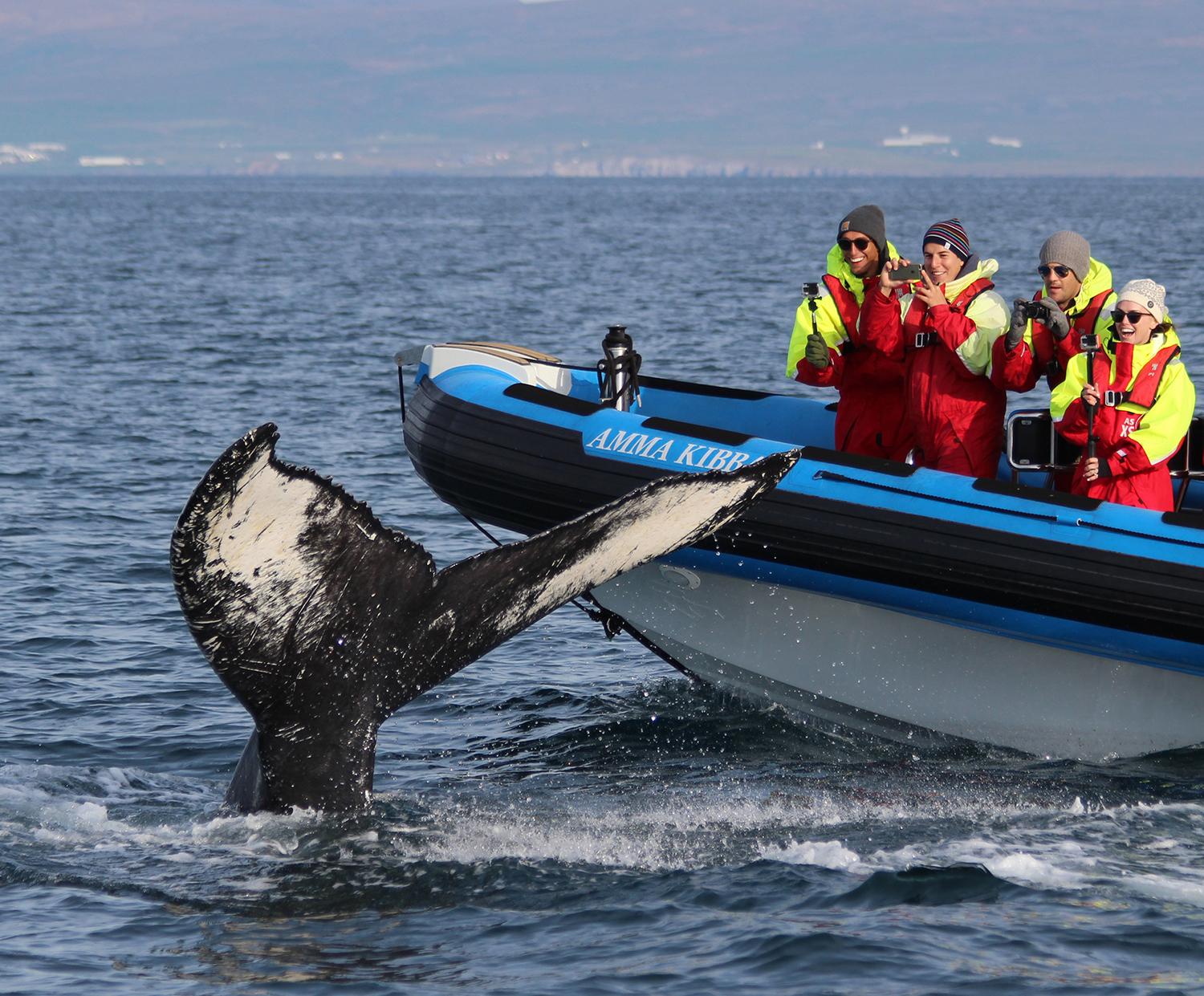
RIB Speedboat Saddle Seats | |
|---|---|---|
| Duration | 3 to 3.5 hours | 2 hours |
| Vessel Type | Traditional Icelandic oak boat | Rigid inflatable boat (RIB) |
| Capacity | Up to 70 passengers | 12 passengers |
| Physical Suitability | Suitable for all ages | Min height 130 cm, no back issues |
| Included Amenities | Warm overalls, hot cocoa, cinnamon bun | Warm safety overalls, safety briefing |
| Approximate Cost | From 16,490 ISK (harbor entry is 0 ISK) | From 21,990 ISK (harbor entry is 0 ISK) |
| Best for | Families, budget-conscious travelers | Adventure seekers, close-up encounters |
| See tickets & prices |
Verdict: While the traditional husavik whale watching and puffins tour is ideal for seeing humpback whales on a relaxed family trip, a fast-paced Husavik whale safari via husavik whale watching and puffins tours offers high-speed access to the outer bay, so ensure you purchase your husavik whale watching and puffins tickets in advance.
Worth it for wildlife-focused first-time visitors
Entry to the harbor at Hafnarstétt is free, so your only cost is the tour itself, and husavik whale watching and puffins trips price by operator across the live grid. You choose the vessel: a fast RIB or speedboat safari that also swings past Puffin Island, or a traditional oak boat cruise with local guides for a steadier, slower ride. What you actually get is Skjálfandi Bay, one of Iceland's most reliable feeding grounds for humpbacks, minke, and seabird colonies including the Atlantic puffin. Sightings run high through summer, though nothing is guaranteed. These husavik whale watching and puffins tours pay off if you want both cetaceans and puffins in a single outing rather than two separate trips. If you only care about scenery, the free harbor walk delivers plenty without paying for a boat.
Bottom line: For a husavik whale watching and puffins tour that bundles two icons of Skjálfandi Bay, book the vessel that matches your sea legs and go.
While a husavik whale watching and puffins tour delivers superior sighting rates, diverse species, and traditional oak boat options in the north, departing from the capital offers practical convenience for visitors with limited travel windows.
|
Top pick Húsavík |
Reykjavík | |
|---|---|---|
| Sighting Rate | ~98% in peak summer | ~90% in peak summer |
| Species Variety | Up to 13 species recorded | 4 to 5 regularly sighted species |
| Sea Conditions | Sheltered bay; generally calmer | More open ocean swells |
| Travel Distance | ~290 miles (460 km) from Reykjavík | Located directly in downtown harbor |
| Tour Duration | 2–3 hours | 2.5–3.5 hours |
| Vessel Types | Traditional oak boats and RIBs | Large catamarans and RIBs |
| See tickets & prices |
Verdict: Securing husavik whale watching and puffins tickets is recommended for travelers who want to experience the superior encounter rates of northern husavik whale watching and puffins tours, whereas selecting a Reykjavík excursion saves travel time while still offering a good chance of spotting local cetaceans.
Hand-picked experiences loved by thousands of travelers
3 hours
Free Cancellation
Search for majestic whales in Skjálfandi Bay on a family-run cruise from Húsavík with local guides.
3 hours
Free Cancellation
Sail Skjálfandi Bay on a classic wooden ship to spot whales and enjoy hot cocoa with cinnamon rolls.
3 hours
Free Cancellation
Set sail from Húsavík on a classic Icelandic oak boat to spot whales and dolphins in Skjálfandi Bay.
Flexible
Free Cancellation
Soak in mineral-rich geothermal waters overlooking Skjálfandi Bay with this admission ticket.
3 hours
Free Cancellation
Sail Skjálfandi Bay on a carbon-neutral oak boat to spot whales and enjoy warm cinnamon buns.
8 hours
Free Cancellation
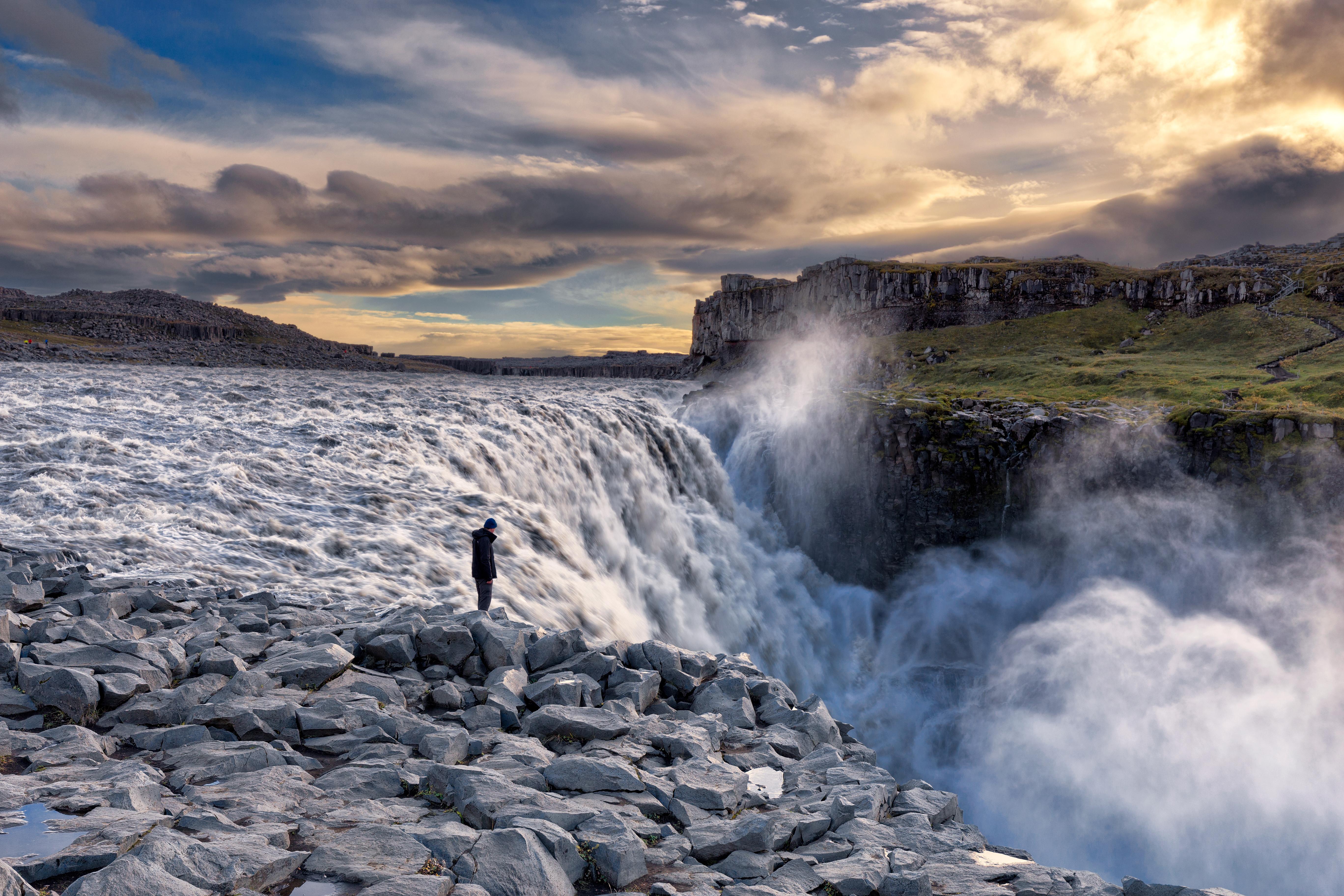
Discover the dramatic landscapes of Iceland's Diamond Circle, from massive waterfalls to geothermal wonders.
Self-paced
Free Cancellation
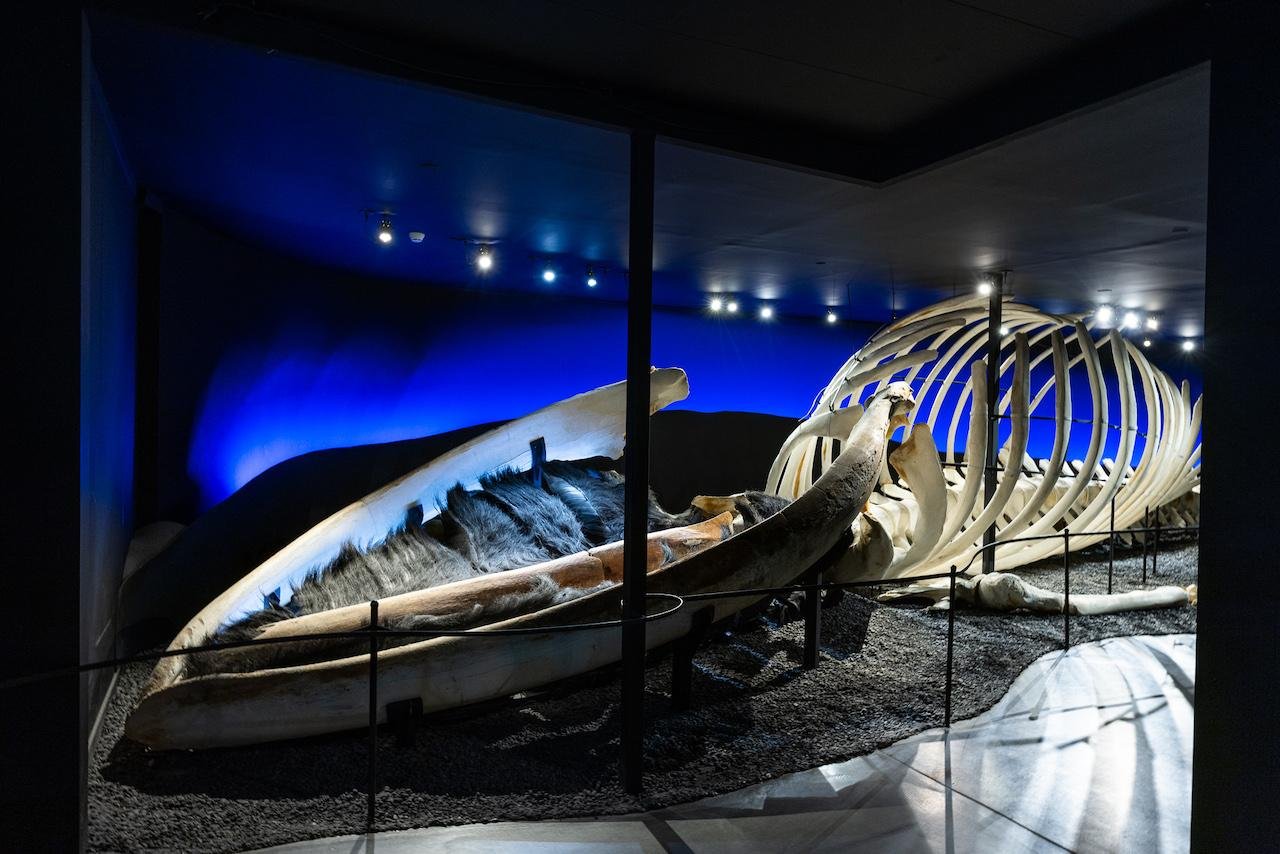
Discover the mysteries of marine giants through real whale skeletons and interactive displays in northern Iceland.
10 hours
Free Cancellation
Explore North Iceland's volcanic landscapes, powerful waterfalls, and majestic canyons on a premium private day trip.
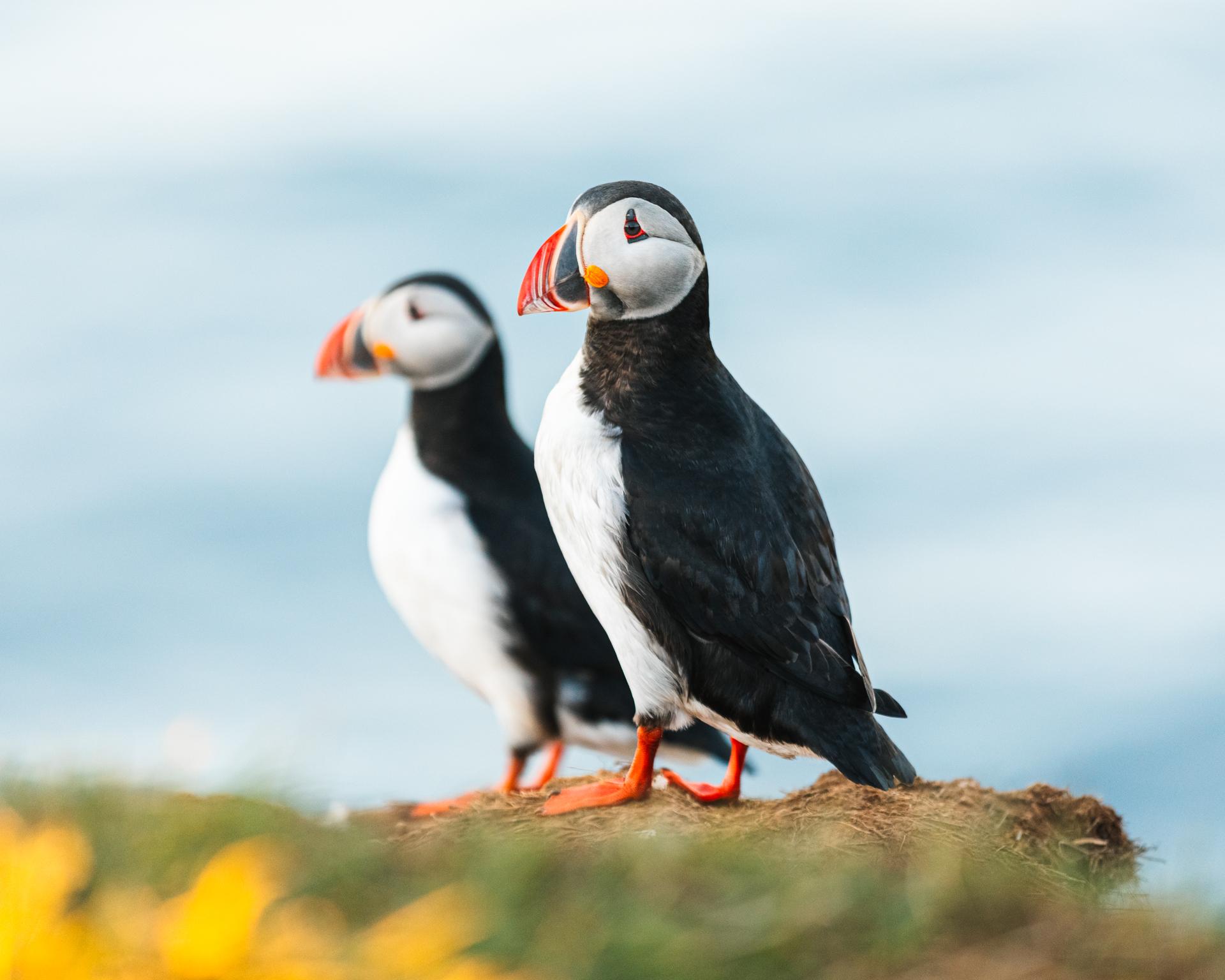
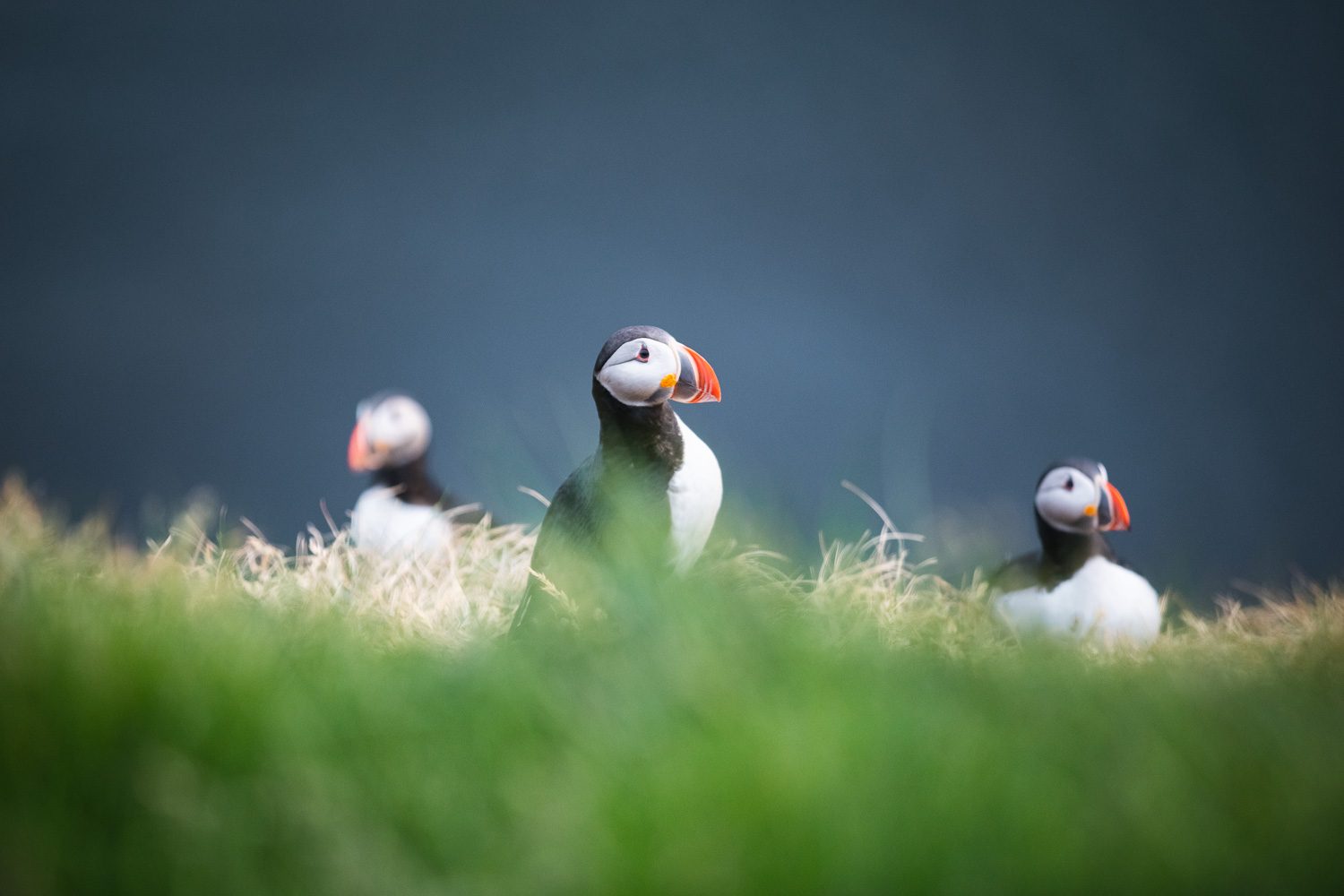
This small, uninhabited island is roughly 300 meters long and sits 8.3 kilometers off the coast. During the summer nesting peak, it plays host to over 200,000 Atlantic puffins.
This deep bay is sheltered by the beautiful Vík Mountains and serves as a major feeding ground for marine mammals. Around 12 distinct species of whales visit these nutrient-rich waters annually.
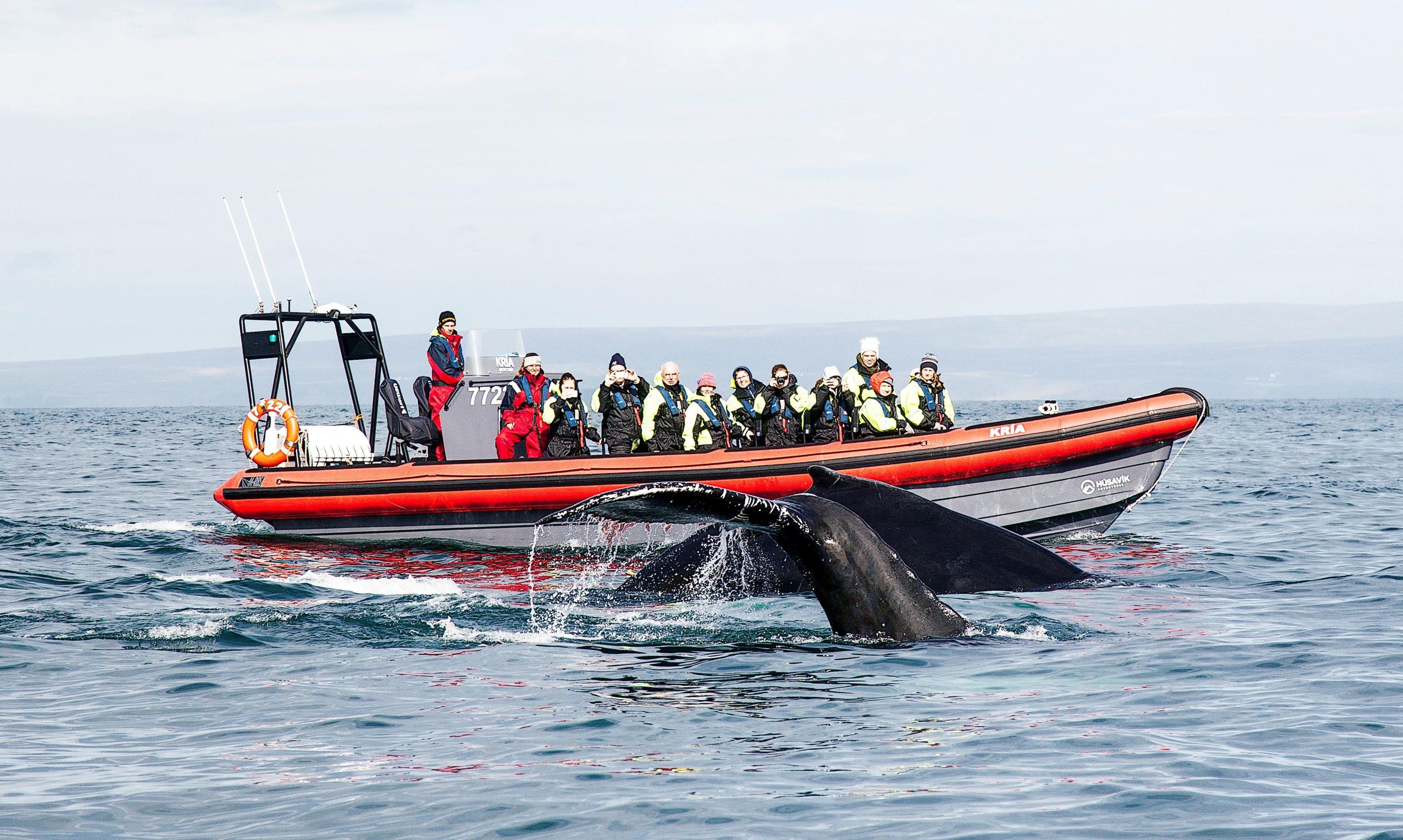
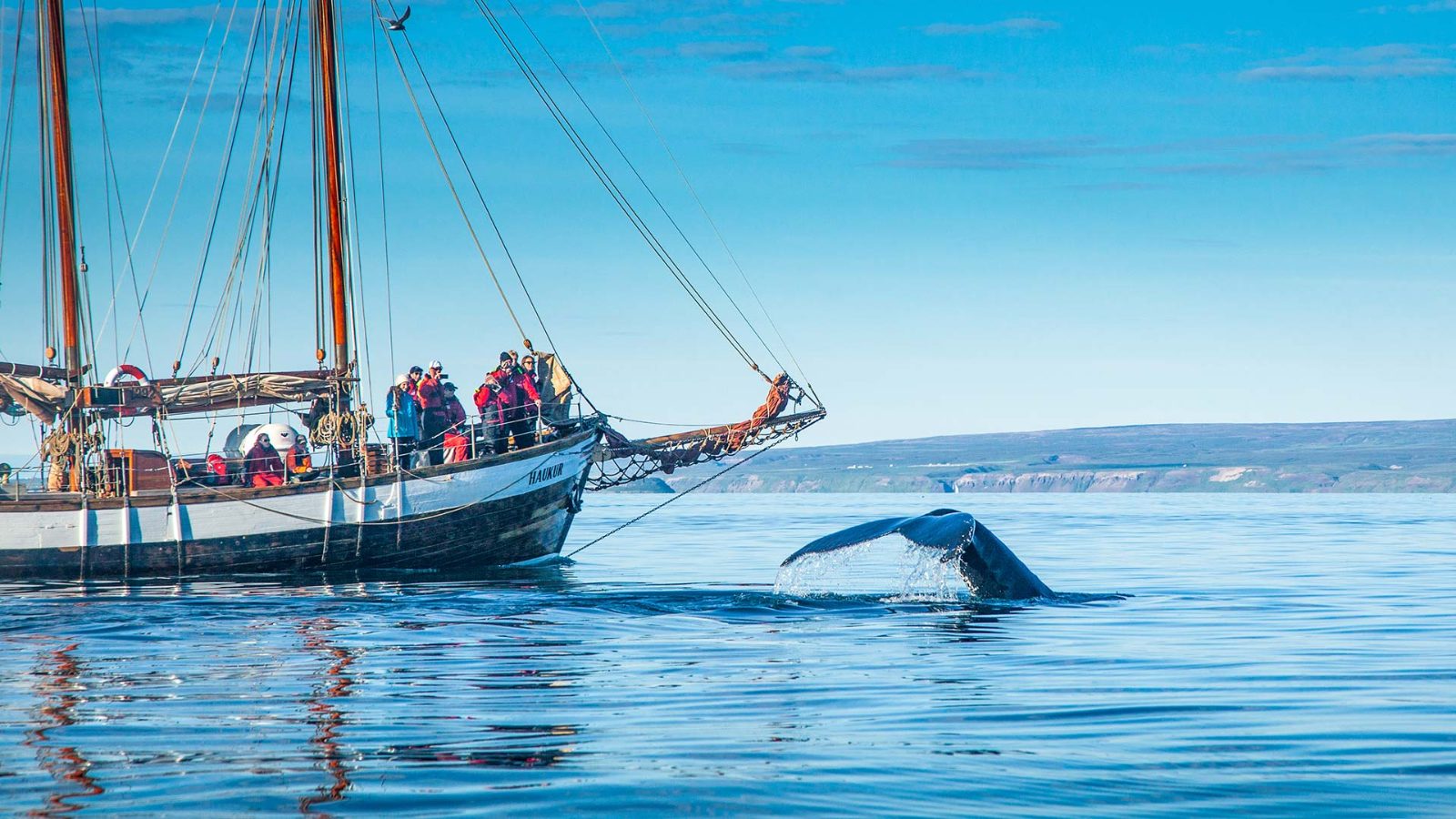
These restored wooden vessels represent the historical fishing heritage of North Iceland. They allow passengers to cruise quietly at speeds of 8 knots while enjoying hot cocoa.
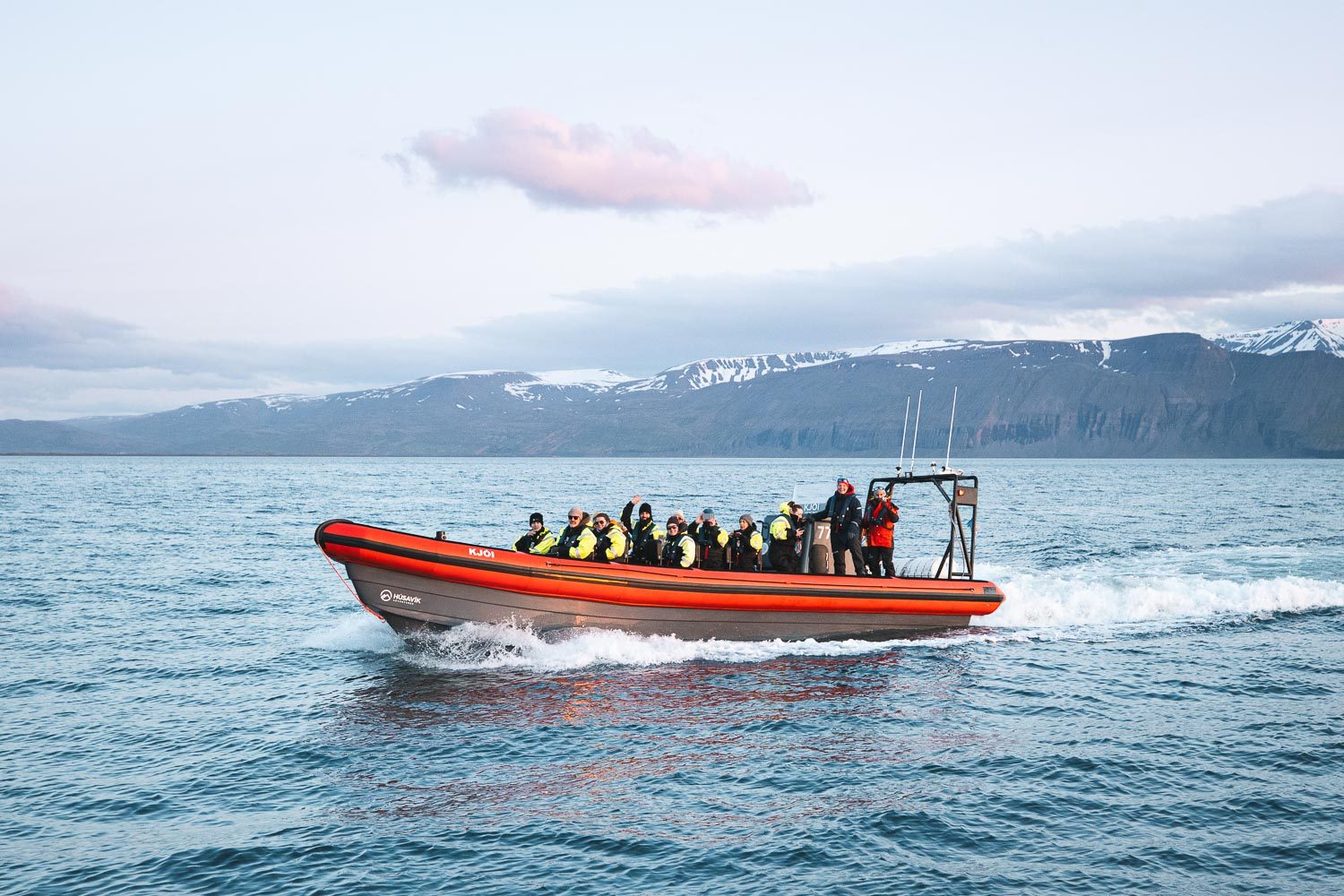
These high-speed vessels carry a maximum of 12 passengers per boat. They enable rapid travel across the bay to spot distant whale pods and navigate within 15 meters of the puffin cliffs.
This historic dock area serves as the primary starting point for all maritime excursions in Húsavík. The pier dates back to the early 20th century and is lined with colorful wooden ticket offices.
All the details about your upcoming adventure in one place
Skjálfandi Bay draws more whale species than almost any other stretch of Icelandic coast, with twenty-three recorded over the decades.
Húsavík Whale Watching and Puffins tours trace this shallow, nutrient-rich inlet where meltwater from the highlands meets the cold Greenland current, feeding herring and capelin in numbers that summon humpbacks, minke whales, and occasional blue whales.
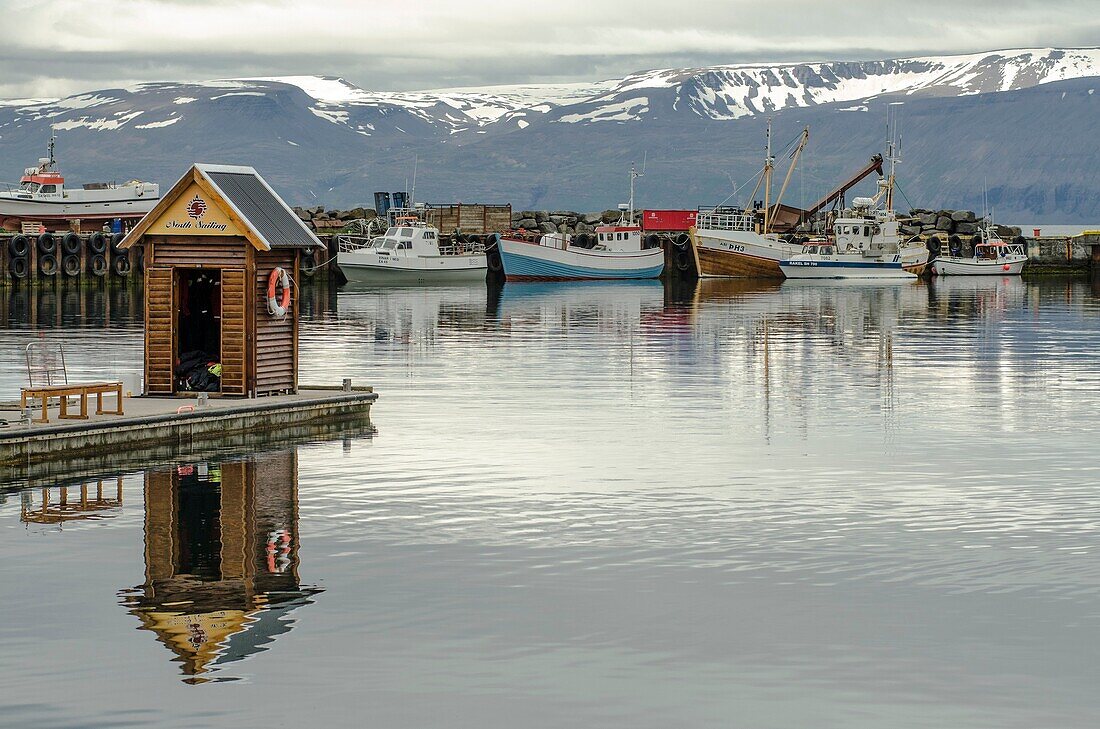
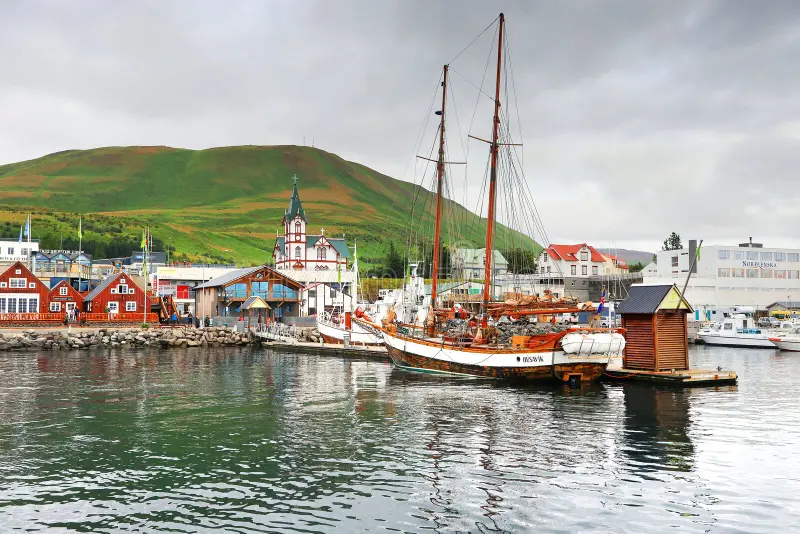
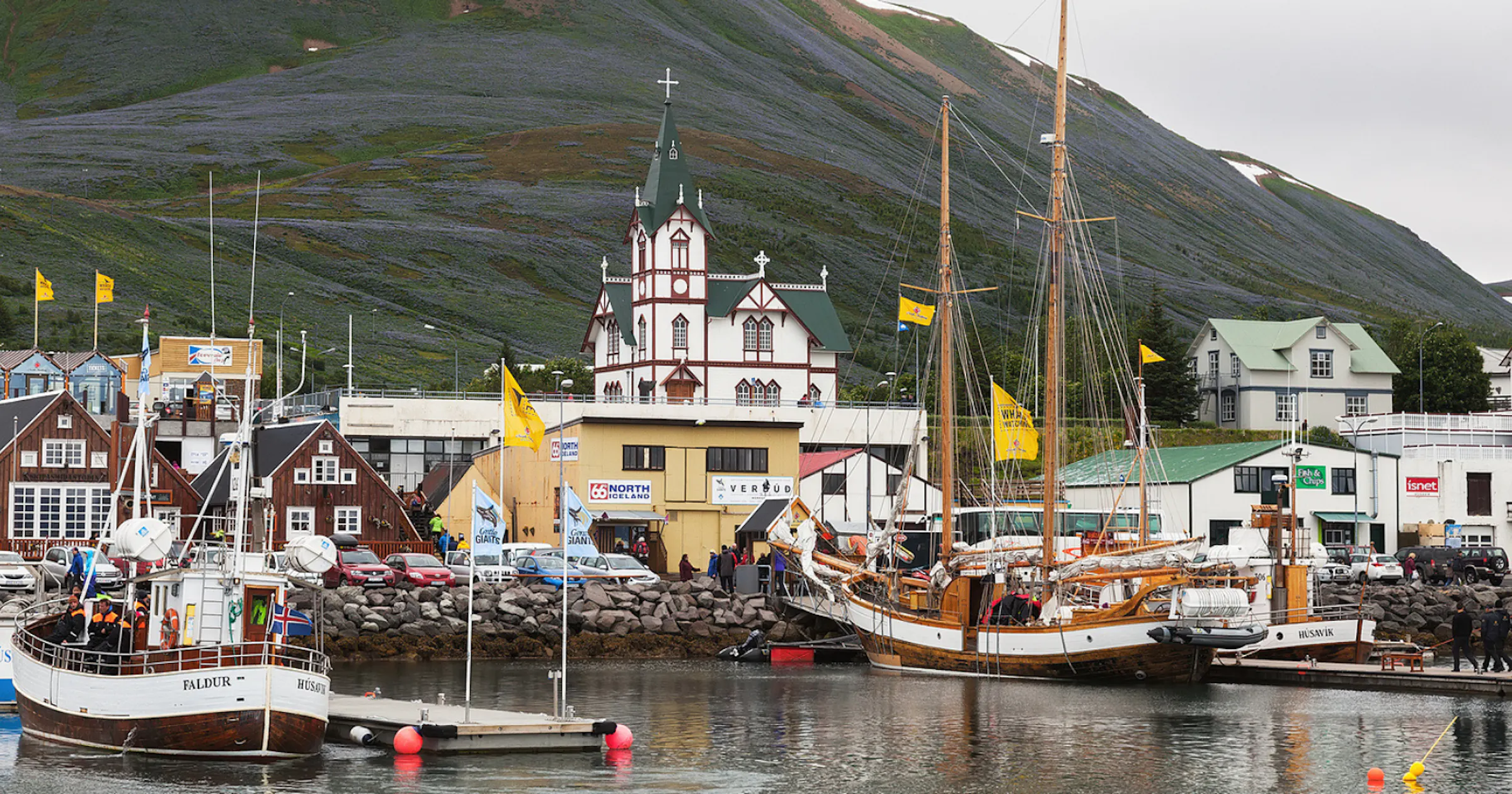
The town earned its title as the whale-watching capital of Iceland in the early 1990s, when a single oak schooner began carrying passengers out past the breakwater. Today the wooden harbour at Hafnarstétt remains the departure point, framed by the red timber of Húsavíkurkirkja and the snow-streaked line of Kinnarfjöll across the water.
Why the place still matters is partly ecological and partly cultural. The bay functions as a summer feeding ground rather than a passing corridor, so sightings hold steady from the first thaw into September. Atlantic puffins nest in dense colonies on Lundey, the low green island offshore, returning each year to the same burrows to raise a single chick. A well-run Húsavík whale watching tour reads both worlds at once, pairing the deliberate patience of cetacean observation with the clatter of a seabird cliff.
The vessels themselves carry the story. Restored oak boats, once built for fishing, now run quiet engines to approach animals without disturbance, while rigid inflatable craft cover the bay's far reaches at speed. Guides trained in marine biology narrate blow patterns, fluke shapes, and the difference between a feeding lunge and a resting dive. Both craft return to the same quay where the day began.
Beyond the water, the harbour sits within walking distance of the town's whaling and exploration museums, the GeoSea geothermal baths, and cafés built into former salting sheds. Together they hold a working port that never stopped being one. Visitors weighing Húsavík Whale Watching and Puffins tickets are buying into a landscape that shaped a community, not a staged attraction.
The season peaks under the long light of the Arctic summer, when boats slip out beneath a sun that barely sets. For many travellers, a Húsavík whale-watching voyage becomes the clearest window they will find into the living North Atlantic.

The bay is a summer feeding ground, not a passing corridor, so the whales stay.
Most operators selling Húsavík puffin watching tickets allow cancellations up to 24 hours in advance for a full refund. While harbor access is 0 ISK, specific boat excursions require advance booking and have individual refund rules.
Weather · crowds · average price — dots go green to amber to red as each metric rises.
This is the optimal window to see both whales and puffins. Puffins nest on Lundey Island in massive numbers, and humpback whales are highly active in the bay under near-continuous daylight.
The puffins arrive on Lundey Island in mid-April to begin nesting. While temperatures remain cool, whale sightings begin to rise, and snow-capped mountains provide a scenic backdrop.
Puffins depart for the open ocean by late August, meaning autumn trips focus solely on whales. Days grow shorter and colder, but the bay remains rich with marine life.
Standard combined bird and whale tours do not operate during these months due to harsh winter weather, short daylight hours, and the absence of migratory species.
The puffin nesting season is short, running from mid-May to mid-August. Secure your spot weeks in advance to ensure you get a seat on a combined tour.
Skjálfandi Bay can experience rolling waves even on sunny days. If you are prone to seasickness, take motion sickness medication about an hour before boarding.
RIB speedboats get closer to the cliffs of Lundey Island and move faster, but traditional oak vessels provide a steadier, family-friendly ride with indoor shelter.
Sea spray is common, particularly on high-speed vessels. Keep your camera and phone inside your thermal overalls or a waterproof bag when not actively taking photos.
Spend your afternoon visiting the Húsavík Whale Museum to learn about the species you spotted, or soak in the GeoSea geothermal baths to warm up after your voyage.
Operators monitor maritime conditions closely. Always check your email or phone on the morning of your trip for potential delays or cancellations due to sea conditions.
To experience the best of Husavik whale watching and puffins, schedule your visit between June and July. By late August, the puffins migrate back to the open ocean.
Húsavík began as a harbour of houses. Garðar Svavarsson wintered on Skjálfandi Bay around 870, leaving the dwellings that named the town. For centuries the port lived by fish. Cod and herring filled its wooden vessels, and the caught sea defined every season. The turning point came in 1995. Árni Sigurbjarnarson founded North Sailing that year. He converted a retired oak fishing boat, Knörrinn, into a passenger schooner. It carried the first paying guests onto the bay in 1995. From these restored hulls grew the modern husavik whale watching and puffins tour, and the town soon earned its title as Iceland's whale watching capital. Momentum followed quickly. The Húsavík Whale Museum opened in 1997 inside a former harbourside slaughterhouse. Its skeletons documented the humpbacks, minke and blue whales of Skjálfandi. Guides began pairing cetacean voyages with landings near Lundey and Flatey, the puffin islands. Demand for husavik whale watching and puffins tours climbed each summer through the 2000s. Sustainability reshaped the fleet again. In 2015 North Sailing launched the electric-hybrid schooner Opal, crossing the bay under silent power. The move signalled a shift from extraction to observation. Today the harbour's husavik whale watching and puffins tickets help fund conservation research alongside tourism. What survives is tangible. The restored oak boats still sail from Hafnarstétt. The Skjálfandi colonies still return each June. A fishing town rebuilt itself around the living sea rather than the caught one, and its harbour landmarks endure as proof of that transformation.
Garðar Svavarsson wintered on Skjálfandi Bay, giving Húsavík its name.
Restored oak schooners began replacing trawling as the harbour's livelihood.
Árni Sigurbjarnarson founded North Sailing and launched Iceland's first whale watching from Húsavík.
The Húsavík Whale Museum opened inside a former harbourside slaughterhouse.
North Sailing introduced the electric-hybrid schooner Opal for silent sailing across the bay.
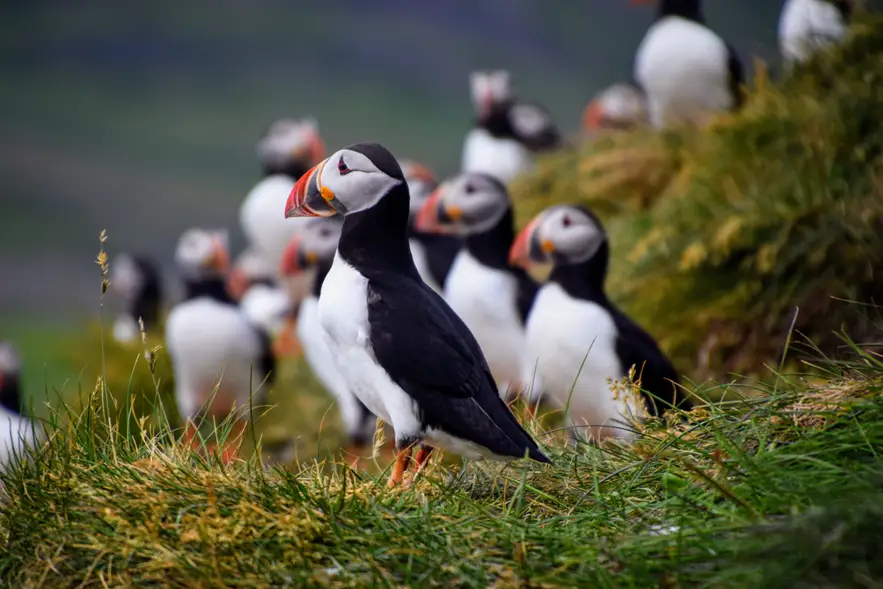
Photograph thousands of nesting Atlantic puffins. These birds are the highlights of the husavik whale watching and puffins experience, coating the grassy cliffs and waters around the island.
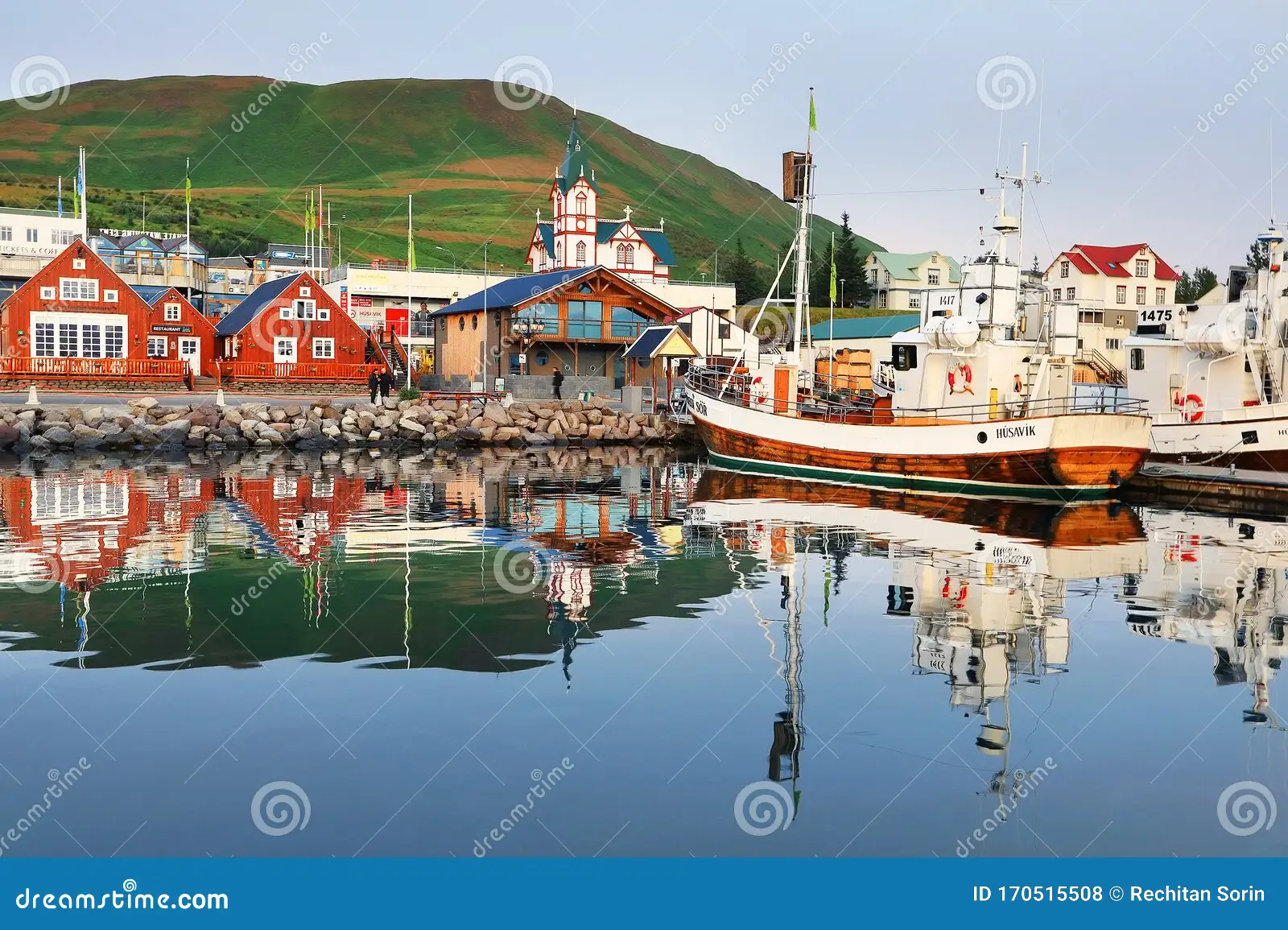
Frame traditional wooden oak boats docked against colorful seaside buildings before boarding. You can easily purchase your husavik whale watching and puffins tickets at the booths along the pier.
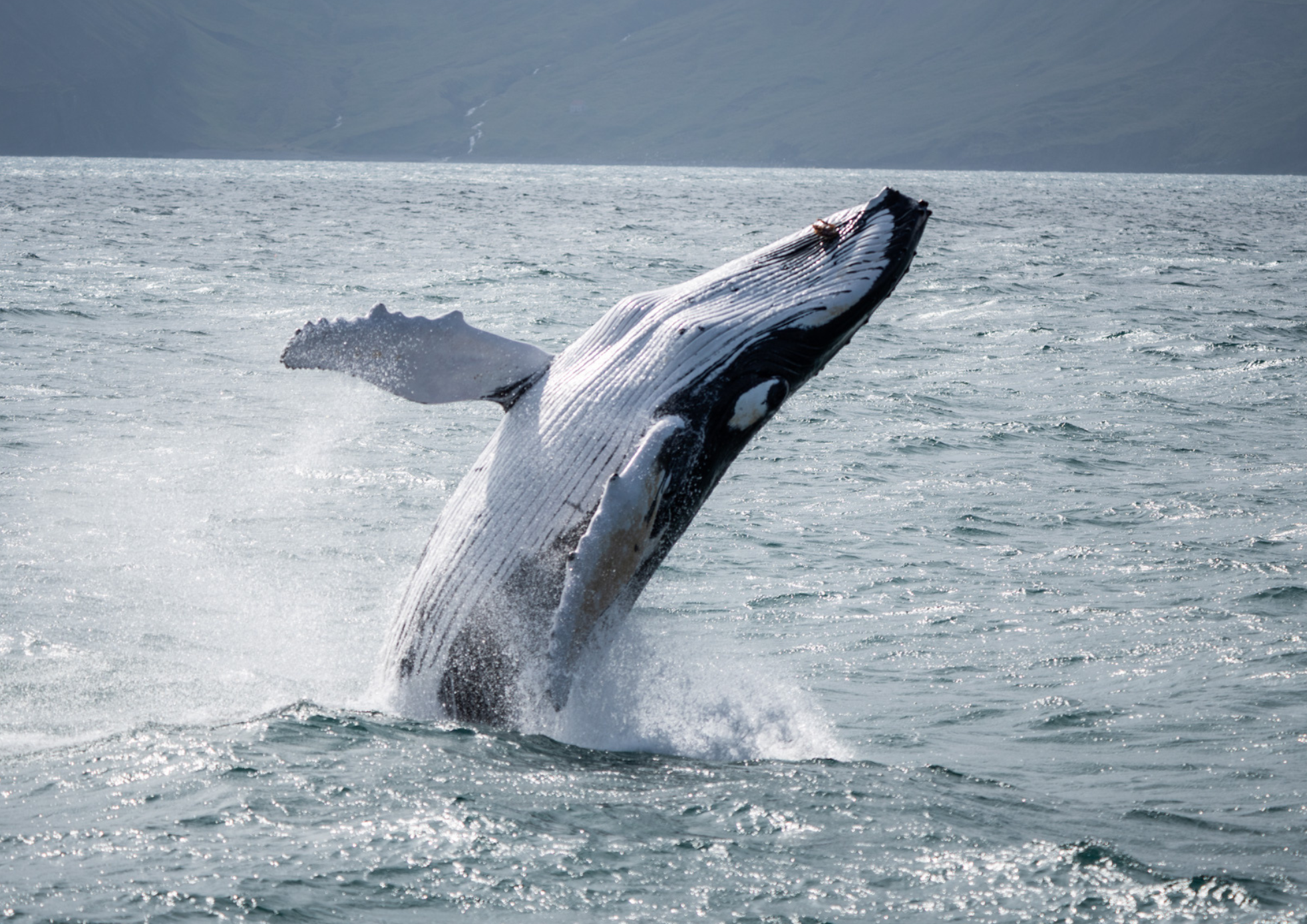
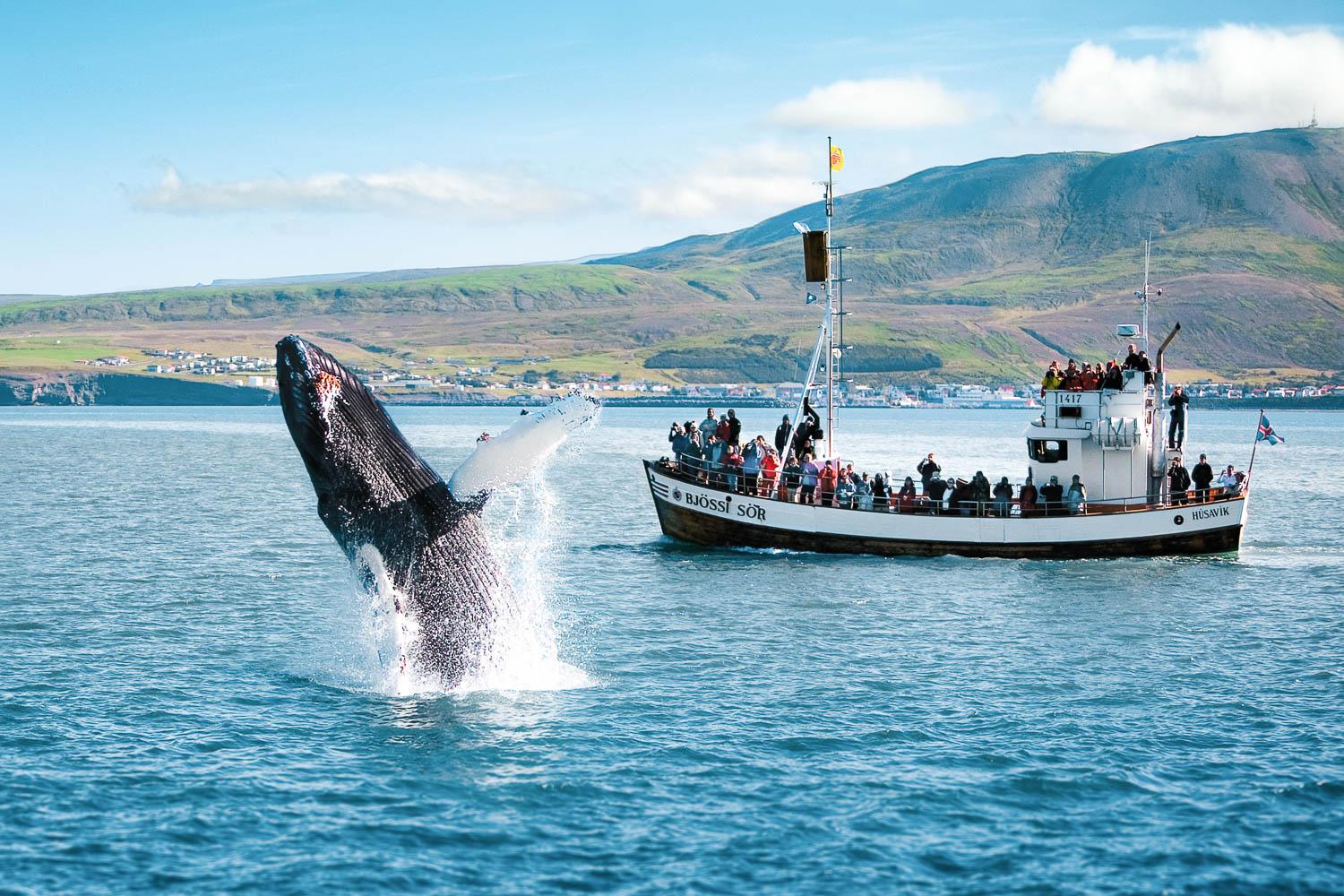
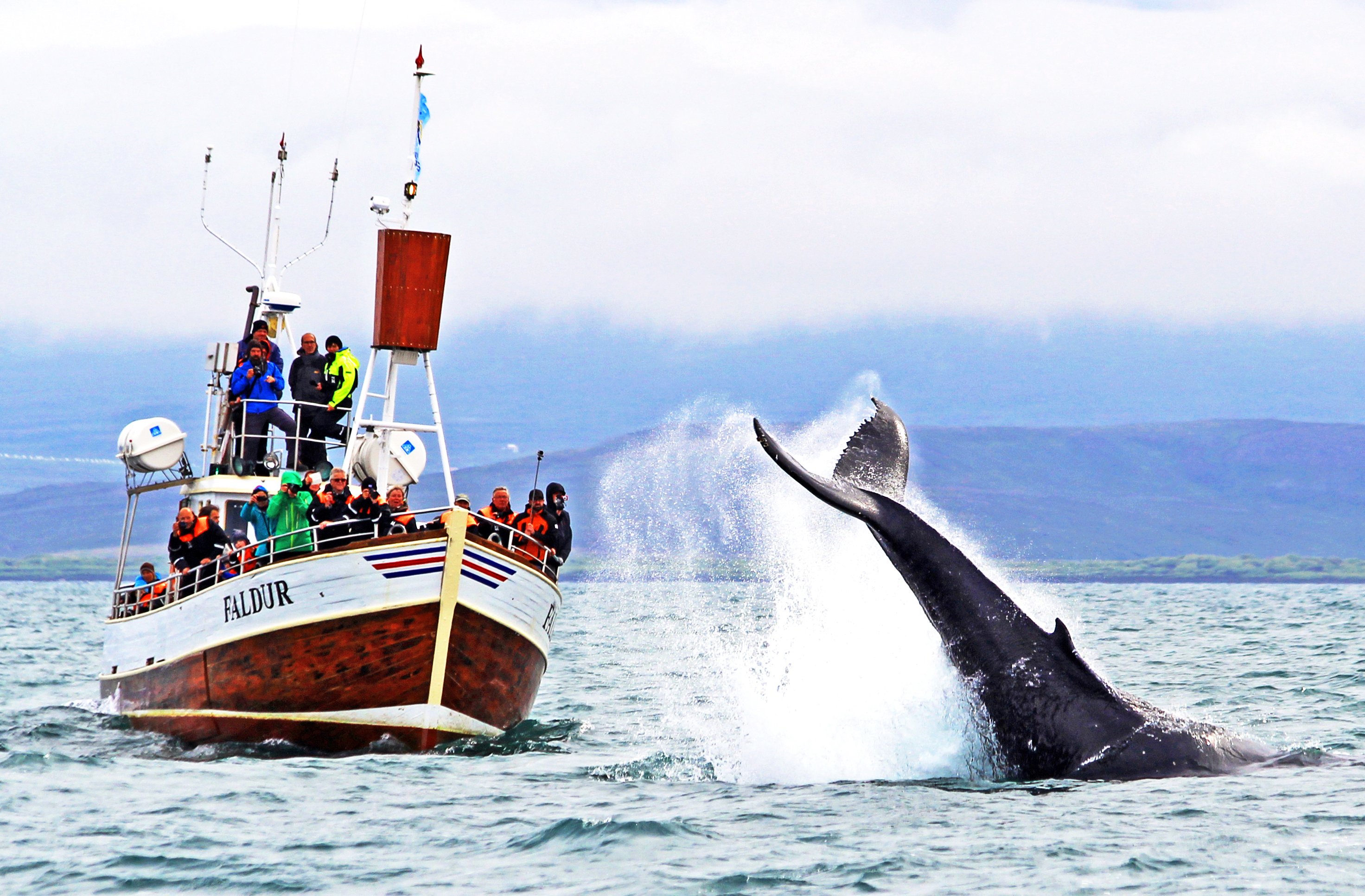
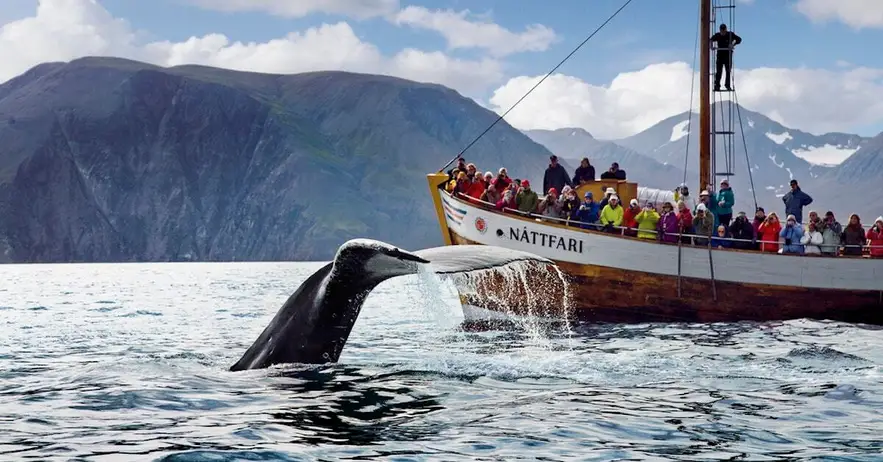
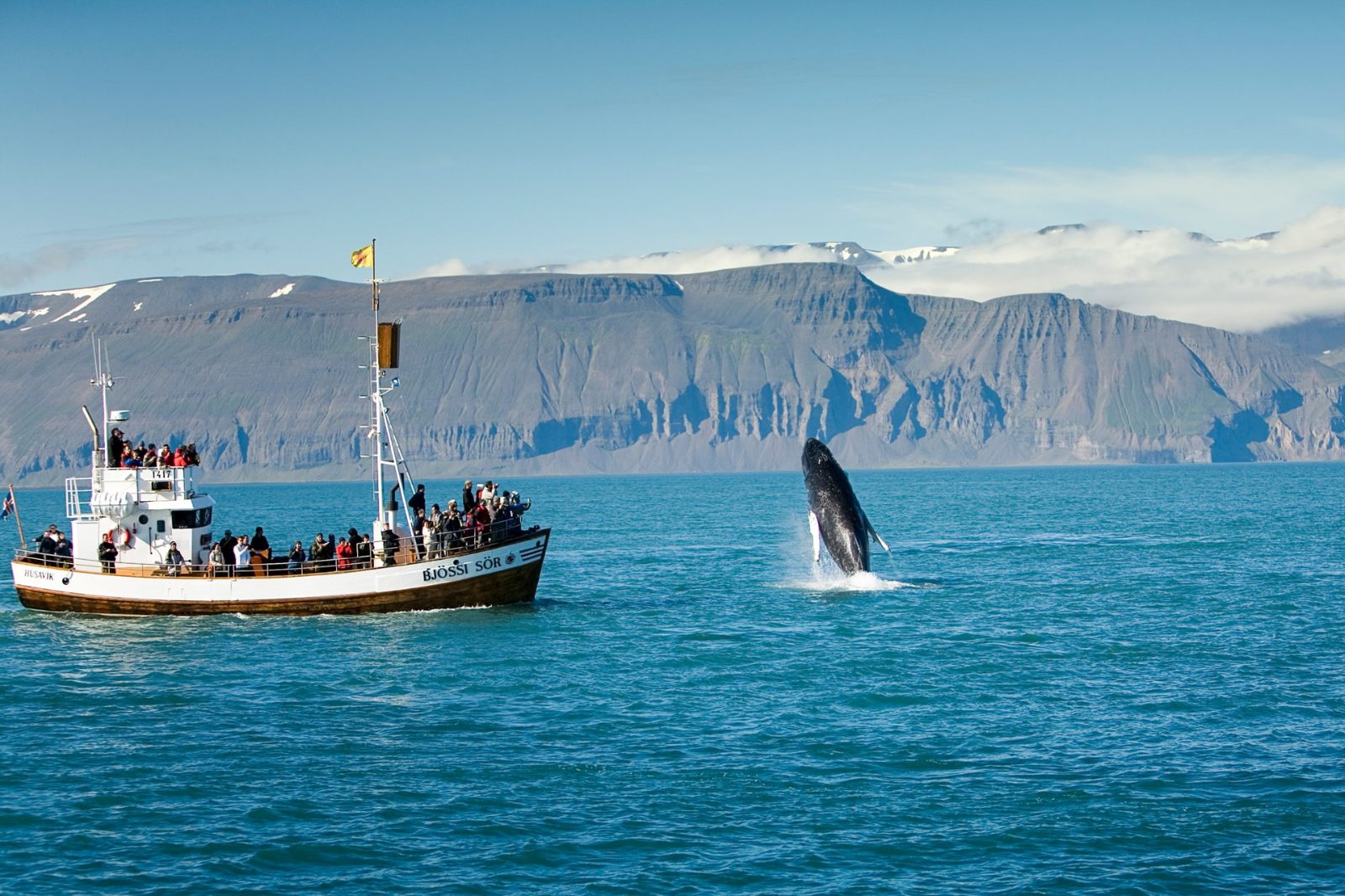
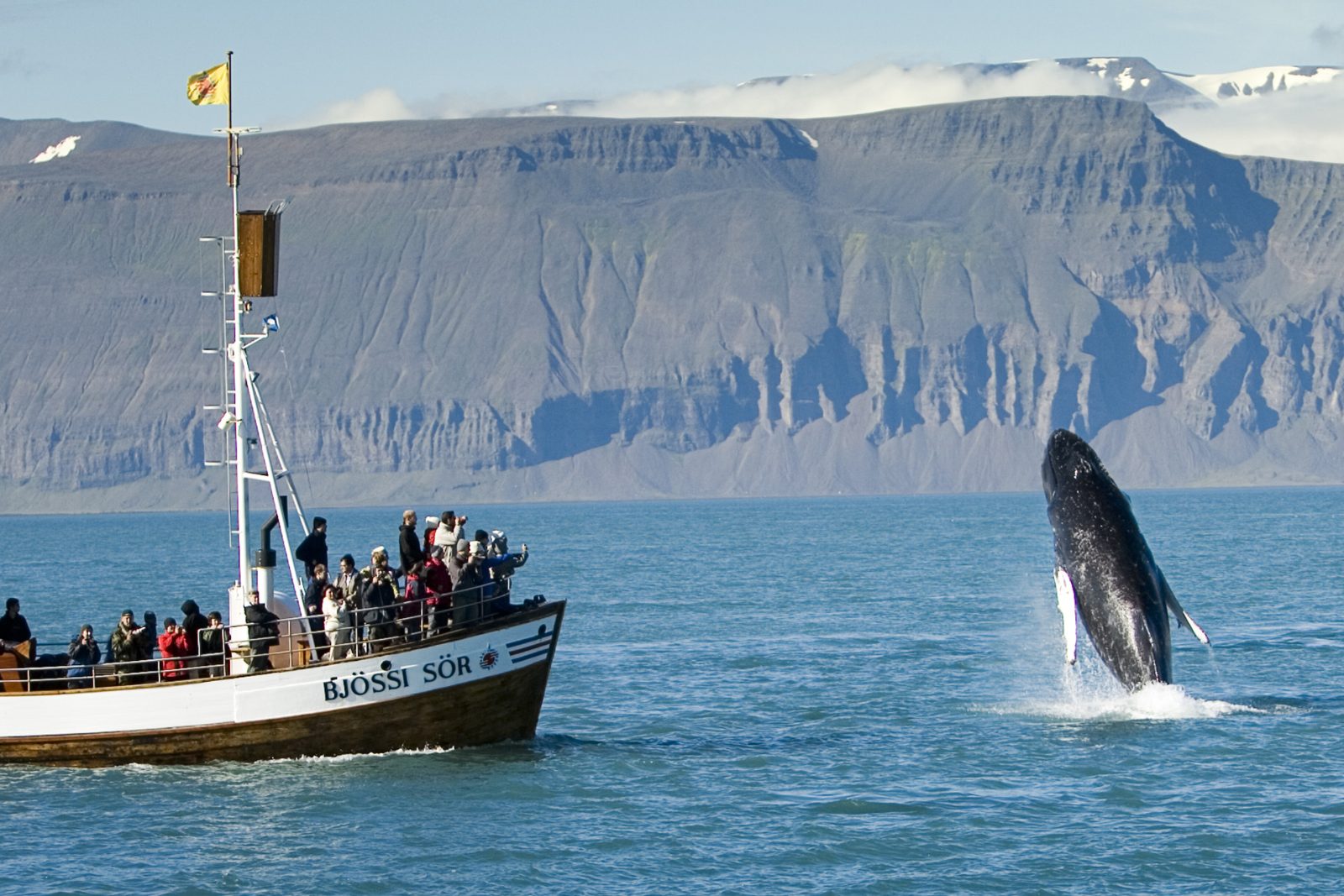
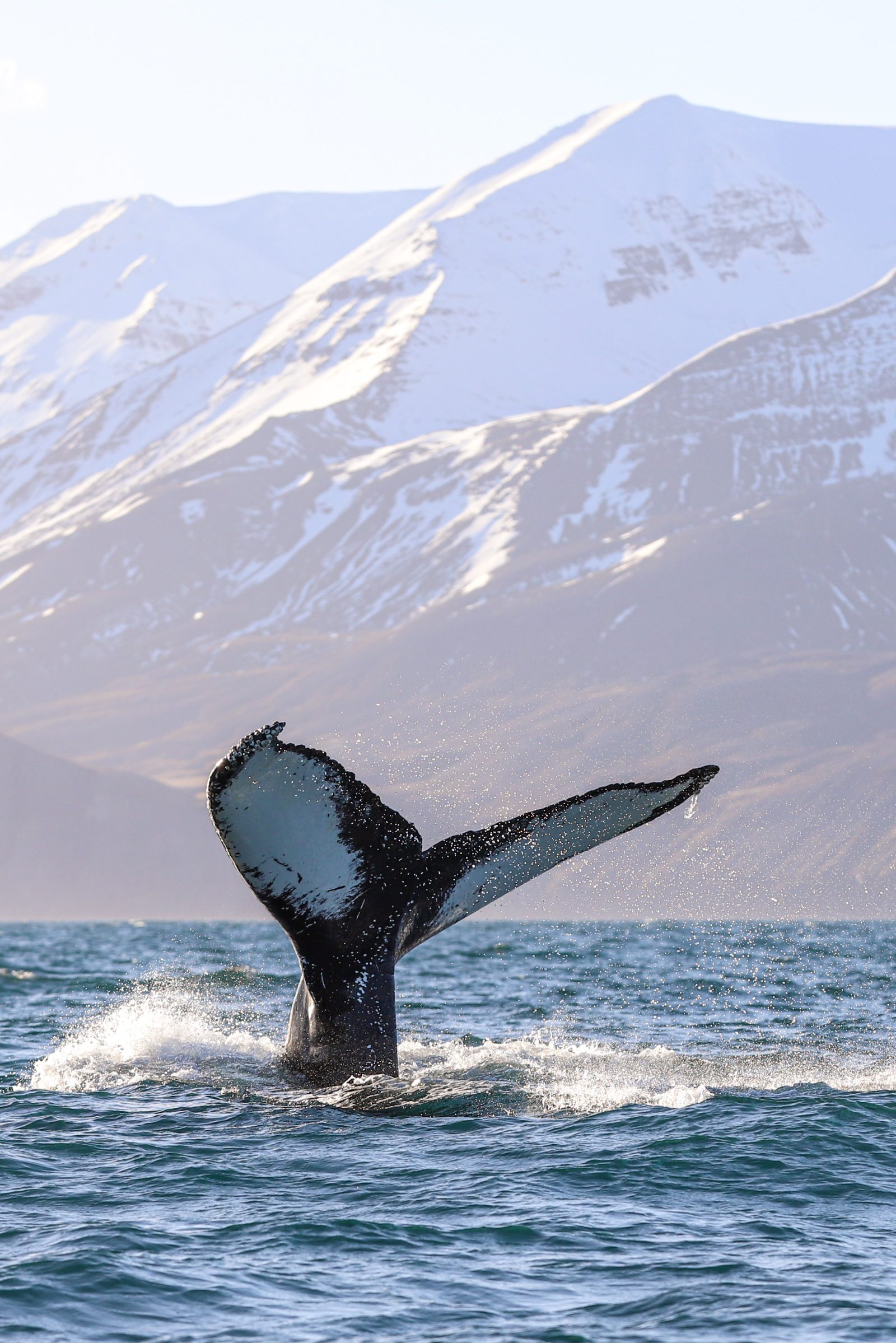
Capture humpback whales breaching with the snow-capped Víknafjöll mountains behind them. Booking husavik whale watching and puffins tours ensures you get close enough to capture details of the tail flukes.
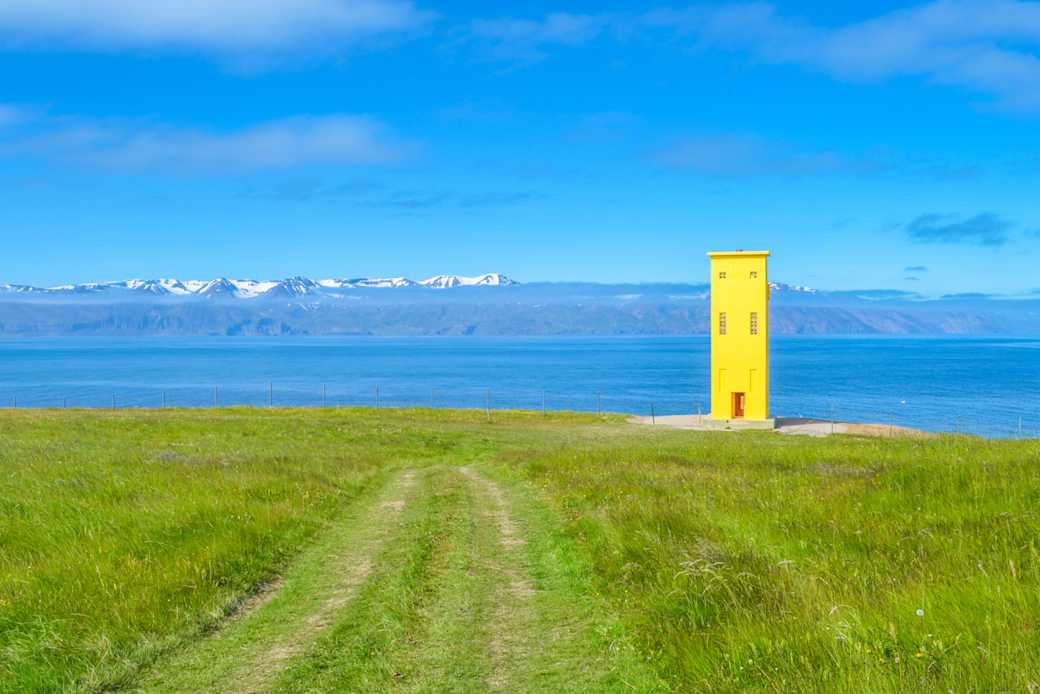
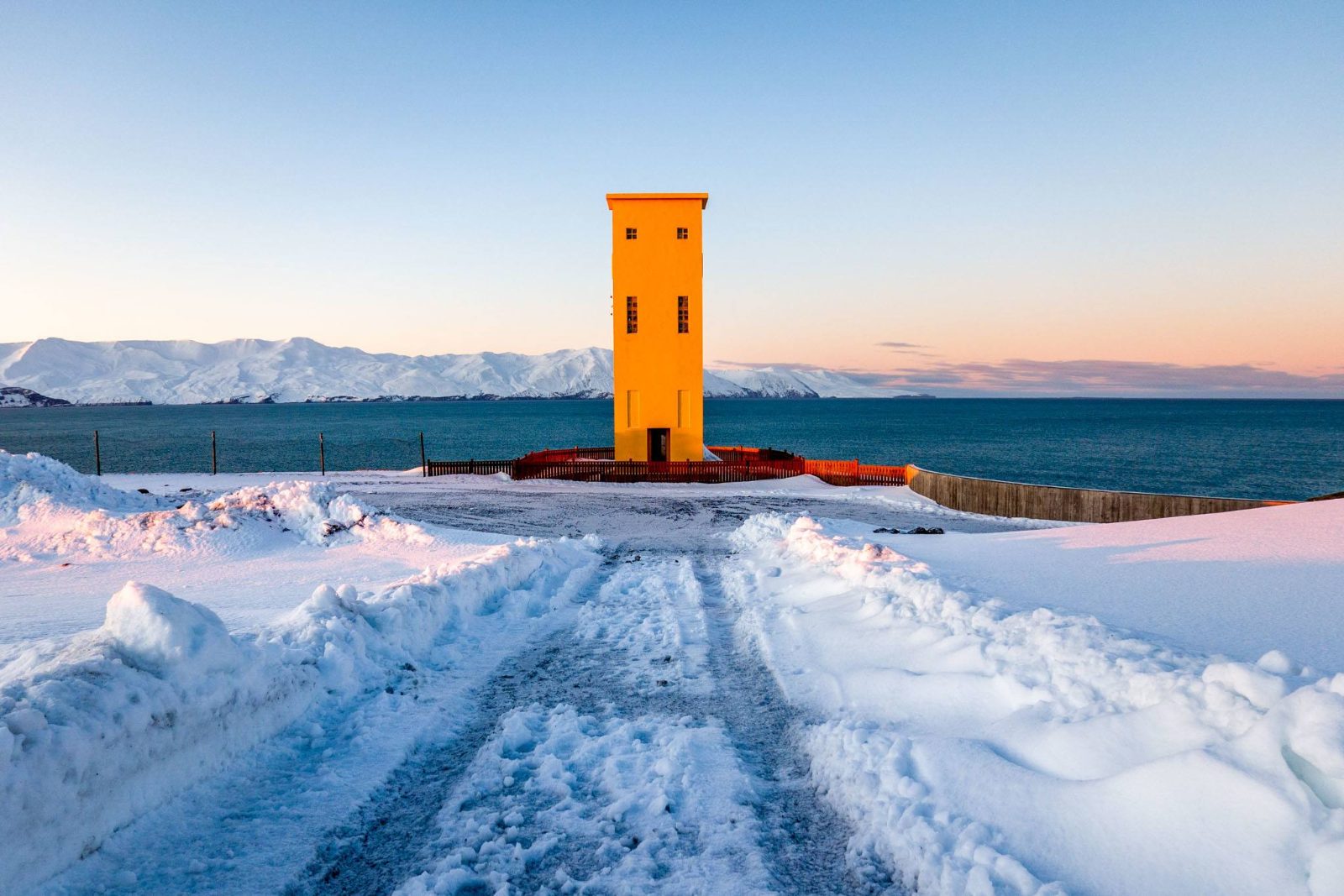
Stand near the bright yellow tower on the clifftop to photograph panoramic views of the bay below. This spot offers a bird's-eye perspective of tourists enjoying a husavik whale watching and puffins tour on the water.
Embarking on a husavik whale watching and puffins excursion with children requires choosing the right vessel to match your family's needs. While traditional oak boats welcome all ages, high-speed options have strict safety limits for younger passengers.
Select traditional oak boats for infants and toddlers since they have no age limits and allow free movement. If you book husavik whale watching and puffins tours on RIB speedboats, passengers must be at least 8 years old and 130 centimeters tall.
Traditional vessels sometimes accommodate small strollers on calm days, but leaving them at the harbor ticket office is generally recommended. Carrying babies in a secure wrap or carrier is the most practical way to move safely around the deck.
Traditional wooden ships feature a basic marine toilet, whereas RIB speedboats have no restrooms onboard. Families booking a husavik whale watching and puffins tour should utilize the harbor restrooms before departure to avoid discomfort.
Operators provide thermal overalls, but these rarely fit toddlers or infants. When purchasing husavik whale watching and puffins tickets, plan to pack extra windproof layers, thick beanies, and gloves to protect children from cold bay winds.
The harbor area is the main culinary hub for visitors finishing a Húsavík whale and puffin tour. With options lining Hafnarstétt, you can grab fresh seafood immediately after returning to the dock.
Located directly on the harbor, this rustic wooden building serves fresh fish caught daily in Skjálfandi Bay. It is a popular spot to relax after finishing one of the local husavik whale watching and puffins tours. Try their classic fish soup or a local beer while watching the oak boats bob in the water.
Stepping into this bright yellow wooden house feels like visiting a cozy family kitchen. Known for its traditional Icelandic mashed fish and hearty fish soup, it is the perfect place to warm up. Visitors often walk over here after redeeming their husavik whale watching and puffins tickets.
This simple harborside kiosk offers quick service and high-quality local cod fried in a light batter. It is an ideal stop for a fast, warm meal before departing on a husavik whale watching and puffins tour. The outdoor terrace offers direct views of the harbor and the departures.
Housed in a historic 1883 building, Salka serves a mix of pizzas, burgers, and classic Icelandic dishes. Its central location near the harbor makes it convenient for anyone searching for a meal before heading out on a husavik whale watching and puffins excursion.
Everything you need to know for your journey
You can book a Husavik whale watching and puffins tour from mid-April to late August. This is the only window when puffins are nesting on Lundey Island before migrating back to the open ocean.
You should wear warm, windproof layers, thermal base layers, gloves, and a winter hat. Operators providing the Husavik whale watching and puffins experience supply thermal overalls, but the temperature on the water is much colder than on land.
If unsafe sea conditions cancel your Husavik whale watching and puffins trip, you will receive a full refund or a rescheduled slot. While accessing the public harbor area is 0 ISK, tour ticket refunds are managed by the individual boat operators.
Accessibility depends on the boat type; traditional oak vessels can accommodate passengers with limited mobility, but are not fully wheelchair accessible. RIB speedboats are not accessible for wheelchair users due to active wave motions.
Restrooms are available on board the traditional wooden vessels. However, there are no restroom facilities on the smaller, high-speed RIB boats.
Most traditional oak boat tours serve complimentary hot chocolate and a cinnamon bun near the end of the trip. RIB boat operators do not offer refreshments, but you are welcome to bring small snacks.
No, winter tours do not combine these species. The migratory puffins leave by late August, and combined Husavik whale watching and puffins trips do not run outside the summer season.
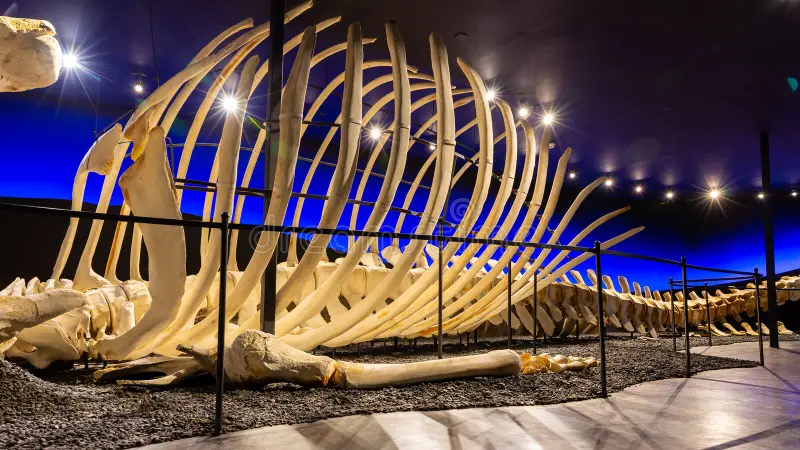
A dedicated museum showcasing massive whale skeletons, including a blue whale, alongside exhibits on marine ecology and historic whaling.
Consecrated in 1907, this picturesque wooden church features a Swiss chalet style and stands as a prominent harbor landmark.
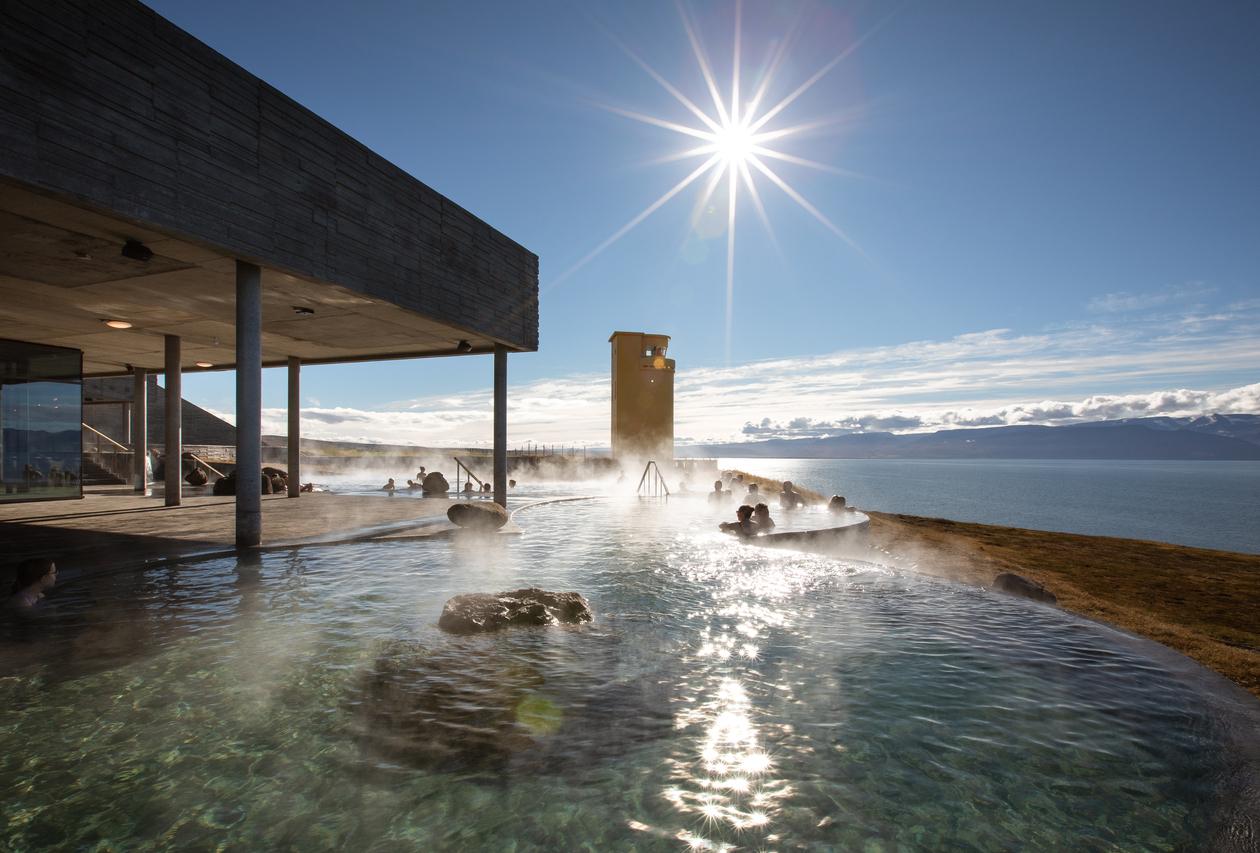
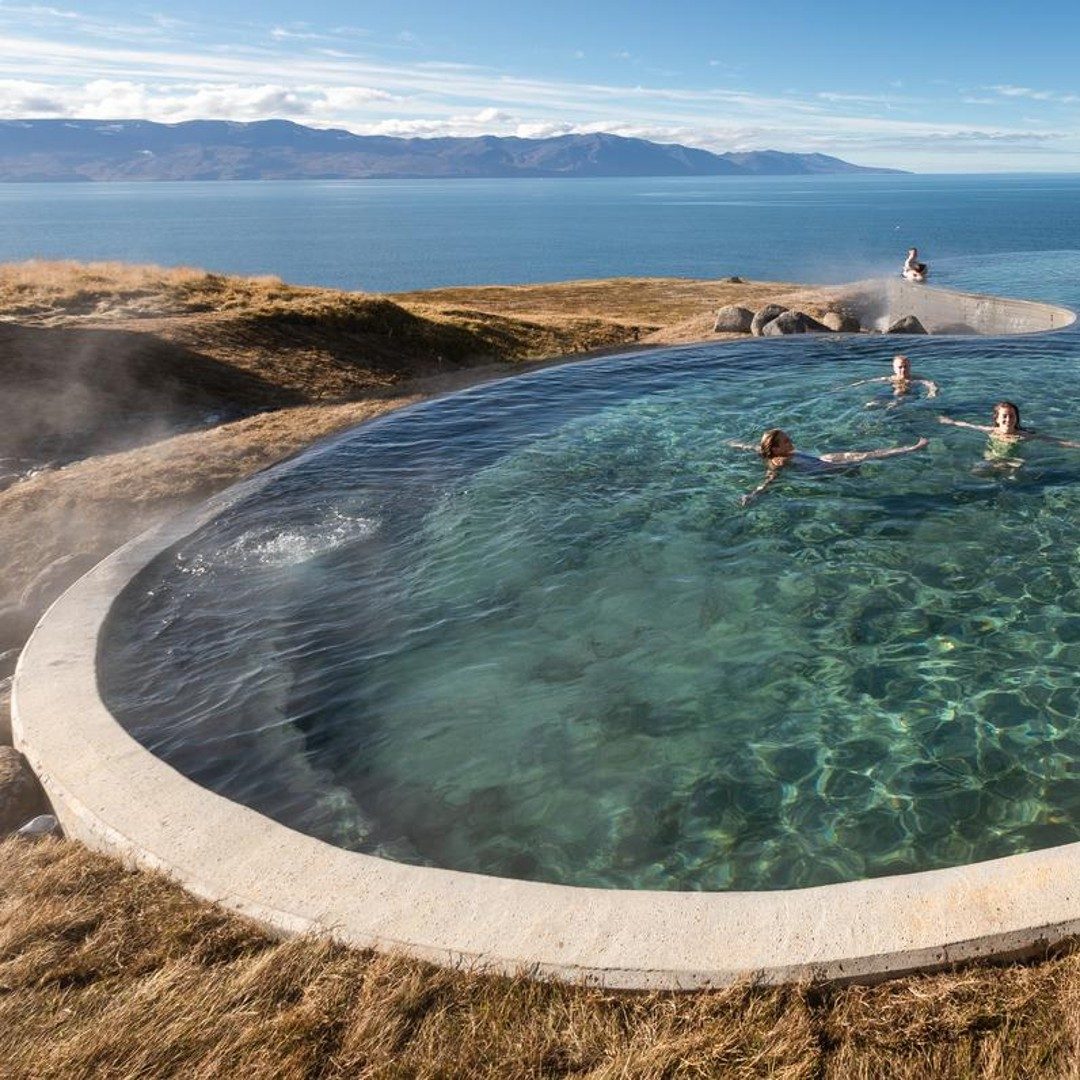
Geothermal mineral baths situated on a cliffside, offering relaxing infinity pools with views over Skjálfandi Bay.
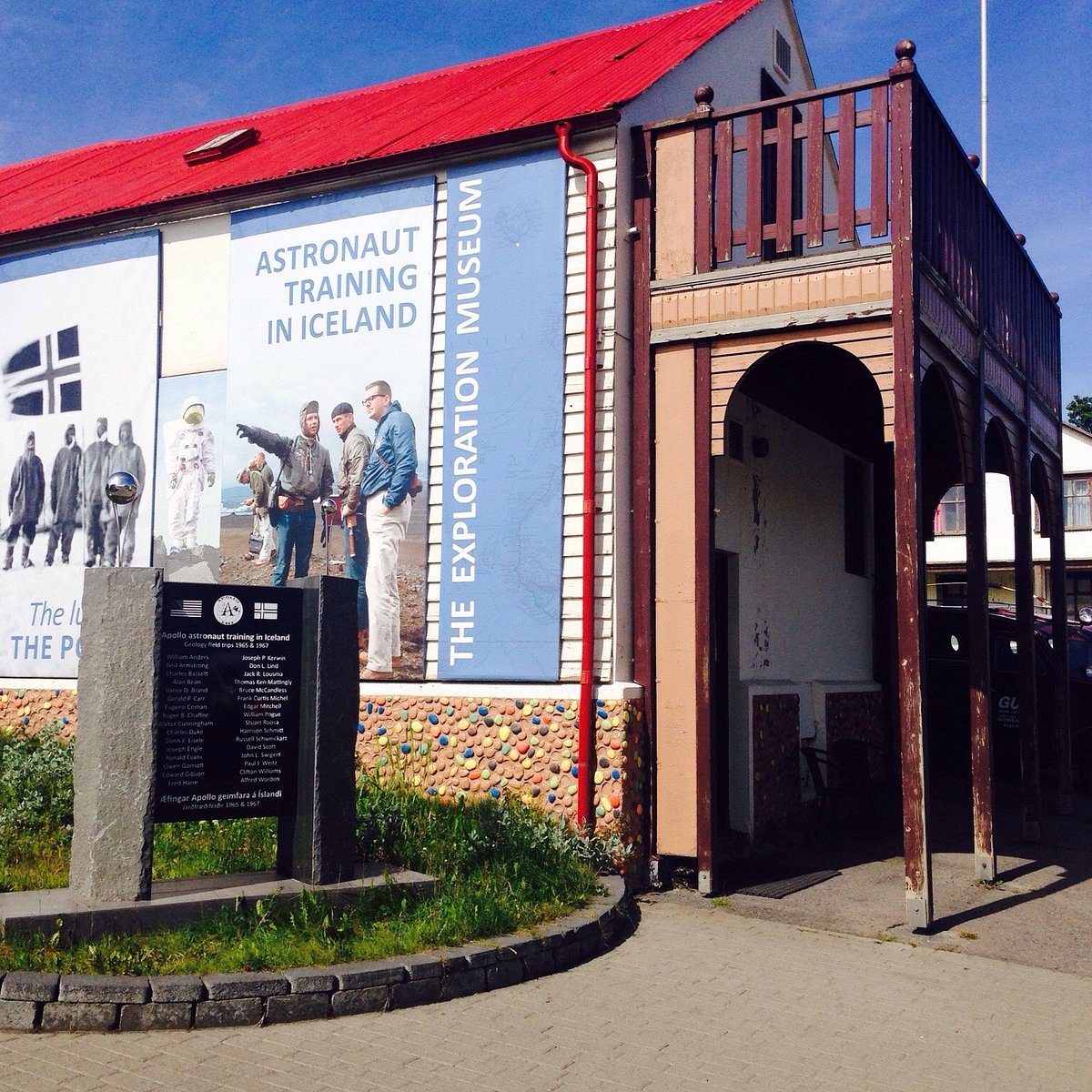
Focuses on the history of human exploration, highlighting the Apollo astronaut training that took place nearby in 1965 and 1967.
A scenic elevated point near the lighthouse that offers panoramic vistas of the wooden boats docked in the harbor.
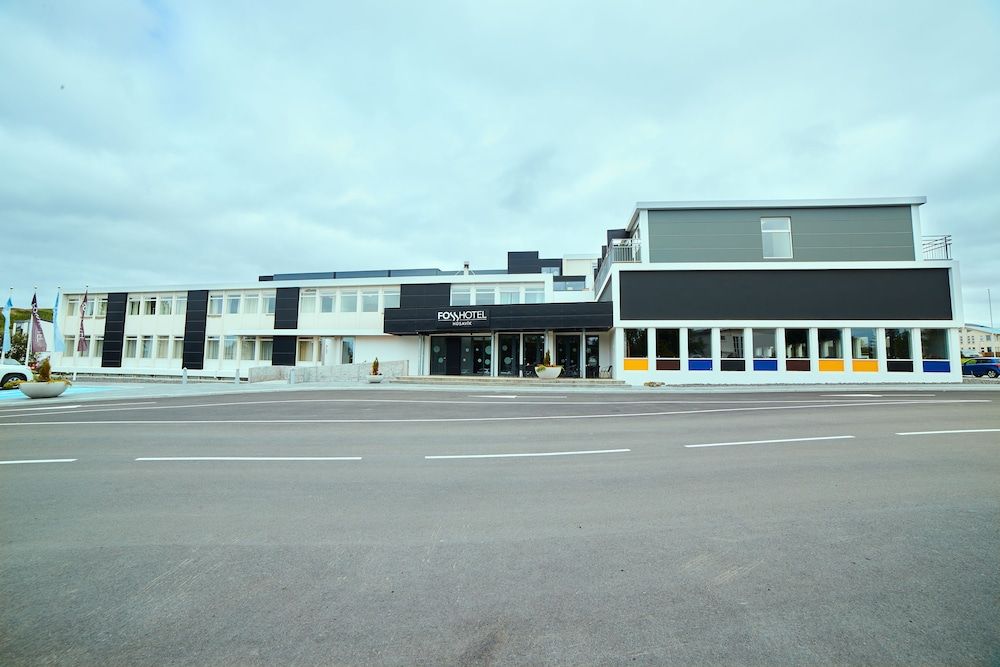
A well-equipped, modern hotel featuring a maritime theme and an on-site restaurant, located in the center of town.
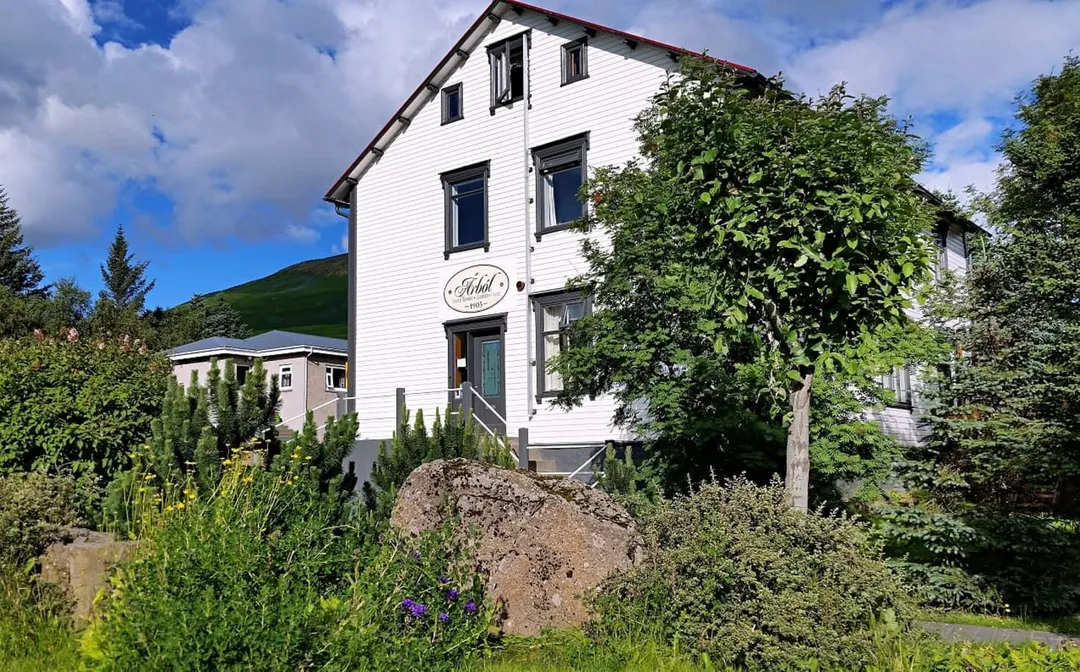
A historic, cozy guesthouse set in a scenic park next to the Búðará stream, offering rooms with traditional charm.
Comfortable, self-catering apartments with modern amenities, located just uphill from the main harbor front.
Join thousands of happy travelers who have discovered this incredible experience
Book Your Experience Now